Paying household utility bills has evolved significantly with the growth of digital platforms. Electricity, water, gas, internet, and mobile services can now be managed through online systems that reduce manual effort and improve payment consistency. As people increasingly rely on smartphones and internet access, online bill payment has become a practical solution for maintaining financial discipline.
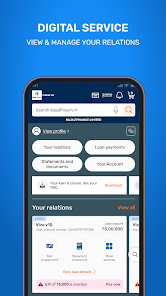
Alongside bill payments, digital financial tools such as insurance apps and a quick loan app have become part of everyday money management. These platforms work together to help individuals handle recurring expenses, emergency needs, and future planning from a single digital environment. Understanding how to manage and pay utility bills online allows users to gain better control over cash flow while reducing delays and missed payments.
This article explains digital utility bill payment methods, their benefits, security considerations, and how they connect with broader financial planning tools.
Understanding Online Utility Bill Payments
What Are Utility Bills?
Utility bills refer to essential service charges required for daily living. These include electricity, water supply, cooking gas, internet services, mobile connections, and municipal services. Traditionally, these payments required physical visits or manual transactions, which often led to delays.
Online payment systems allow users to access billing information, track due dates, and complete payments through digital platforms. These systems operate on secure networks and are accessible through mobile devices and desktops.
How Online Bill Payment Works
Online bill payment platforms connect service providers with users through digital interfaces. Once a user registers their service account, the platform retrieves billing details automatically. Payments can be completed using digital wallets, net banking, or card-based systems.
Many users integrate online bill payments into their monthly routine, reducing the risk of late fees and service interruptions.
Advantages of Paying Utility Bills Online
Time Efficiency
Online payments remove the need for physical travel and waiting lines. Bills can be paid within minutes, regardless of location or time.
Better Expense Tracking
Digital platforms provide transaction histories, downloadable receipts, and monthly summaries. This makes budgeting easier and helps users analyze recurring expenses.
Reduced Missed Payments
Automated reminders and scheduled payments ensure that due dates are not overlooked. This consistency supports better financial discipline.
Centralized Financial Management
Many users combine utility payments with other tools such as insurance apps and a quick loan app, allowing them to manage essential services, protection plans, and short-term financial needs in one place.
Role of Digital Platforms in Financial Planning
Integration With Insurance Planning
Insurance-related expenses are often overlooked when budgeting for monthly costs. Insurance apps help users track premium schedules, policy coverage, and renewal dates. When combined with online bill payment tools, users can plan fixed expenses more accurately.
This integration ensures that essential services and financial protection remain uninterrupted.
Supporting Emergency Expenses
Unexpected utility charges or service-related repairs can disrupt monthly budgets. Access to a quick loan app provides short-term financial flexibility when immediate funds are required. These tools complement online bill payment systems by ensuring that critical services continue without delay.
Security Measures in Online Bill Payments
Data Protection
Modern payment platforms use encryption technologies to protect user data. This ensures that personal and financial information remains secure during transactions.
Authentication Systems
Multi-step verification processes, such as one-time passwords and biometric authentication, reduce unauthorized access risks.
Transaction Transparency
Digital receipts and transaction confirmations provide proof of payment, increasing trust and accountability.
Managing Multiple Utility Services Online
Single Dashboard Access
Users with multiple utility connections benefit from centralized dashboards that display all services in one interface. This simplifies monitoring and payment scheduling.
Custom Alerts and Notifications
Digital systems allow users to set personalized alerts for due dates, payment confirmations, and service updates.
Payment Flexibility
Users can choose between instant payments or scheduled transactions based on income cycles and personal preferences.
Common Challenges and How to Overcome Them
Internet Access Issues
Limited connectivity can affect access to online services. Users can reduce this risk by scheduling payments in advance or using platforms that support low-data access.
Technical Errors
Occasional system errors may occur. Maintaining transaction records and screenshots helps resolve disputes efficiently.
Budget Mismanagement
While online tools simplify payments, users must still plan expenses carefully. Reviewing monthly summaries and aligning them with income patterns improves control.
Best Practices for Paying Utility Bills Online
Review Bills Regularly
Checking billing details ensures accuracy and helps identify unusual charges early.
Maintain Emergency Funds
Combining savings strategies with access to a quick loan app ensures financial stability during unexpected situations.
Align Payments With Income Cycles
Scheduling payments based on salary dates helps avoid cash shortages.
Use Financial Tools Wisely
Insurance apps support long-term protection planning, while online bill payments handle routine expenses. Using both together creates a balanced financial approach.
Future of Digital Utility Payments
As digital infrastructure improves, utility payment systems will continue to become more efficient and user-friendly. Enhanced data analytics may help users predict expenses and adjust consumption habits. Integration with broader financial tools will further simplify money management.
The shift toward digital bill payments reflects a broader movement toward organized, transparent, and accessible financial systems.
Conclusion
Managing and paying utility bills online has become an essential part of modern financial routines. Digital platforms offer convenience, accuracy, and improved expense tracking, helping users maintain consistent service access. When combined with supportive tools like insurance apps and a quick loan app, online bill payment systems contribute to better financial planning and stability.
By adopting secure digital payment practices, reviewing expenses regularly, and integrating essential financial tools, individuals can simplify their monthly obligations and maintain greater control over household finances. As digital payment systems continue to evolve, they will remain a practical solution for managing essential services efficiently.